



You are a beneficiary - Manage your project
Communication and visibility requirements for EU funded projects
All the necessary templates that you will need during the project's lifetime
Find the answers to the most recurrent questions about project implementation
A platform to discuss ways to improve the efficient implementation of CEF transport for the beneficiaries, Member States and the Agency/Commission alike
How to develop synergies within the CEF programme and with other EU funding programmes
Background and policy
Learn about what CEF Transport is all about and how it will help build the transport infrastructure of the future
Discover the EU's policy on transport infrastructure as well as the concept of Project of Common Interest
The CEF Transport programme was originally managed by the Innovation and Networks Executive Agency.
Funding opportunities

Check out the upcoming and ongoing calls for proposals here

Check out the upcoming and ongoing calls for tenders here
News

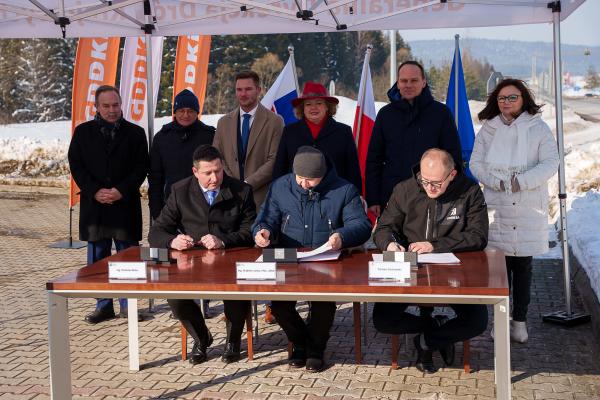
EU invests record €7 billion in sustainable, safe and smart transport infrastructure
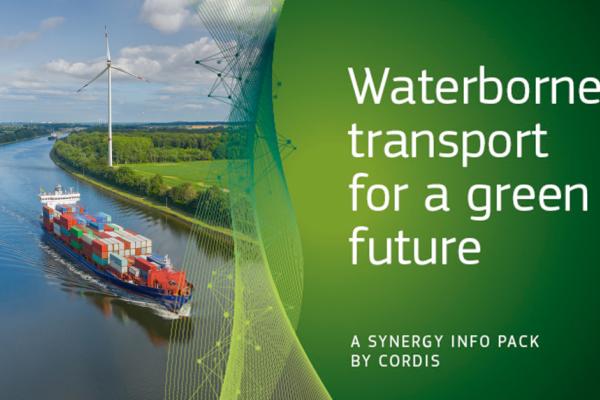
This new Synergy Info Pack highlights how projects from different countries, sectors and funding programmes are all working towards the same goal: making Europe’s waterborne transport sector more sustainable, more efficient and more competitive.
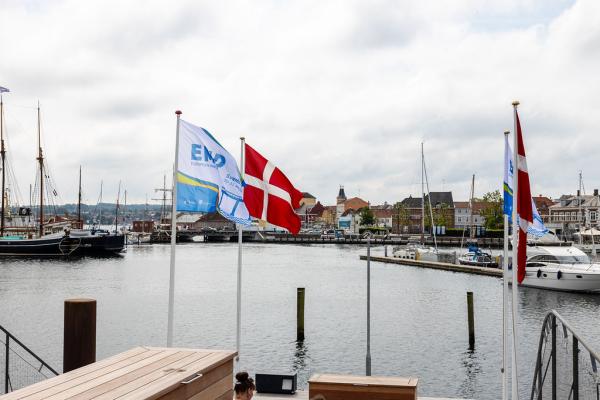
On 30-31 May, the European Maritime Day (EMD) attracted more than 1,100 maritime stakeholders in Svendborg (Denmark). EMD is the European lighthouse event to discuss the latest developments in the blue economy and the marine environment.
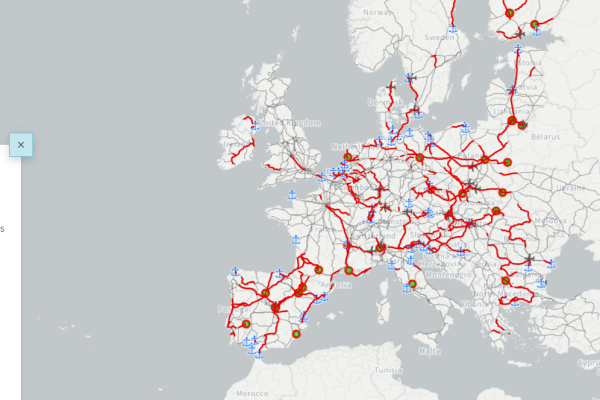
New interactive page showcases positive impact of CEF Transport
Publications
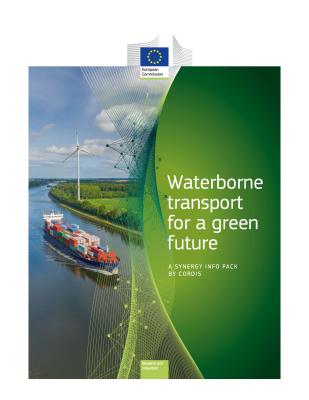
This new Synergy Info Pack highlights how projects from different countries, sectors and funding programmes are all working towards the same goal: making Europe’s waterborne transport sector more sustainable, more efficient and more competitive.
Factsheet on Military Mobility